
Case Study
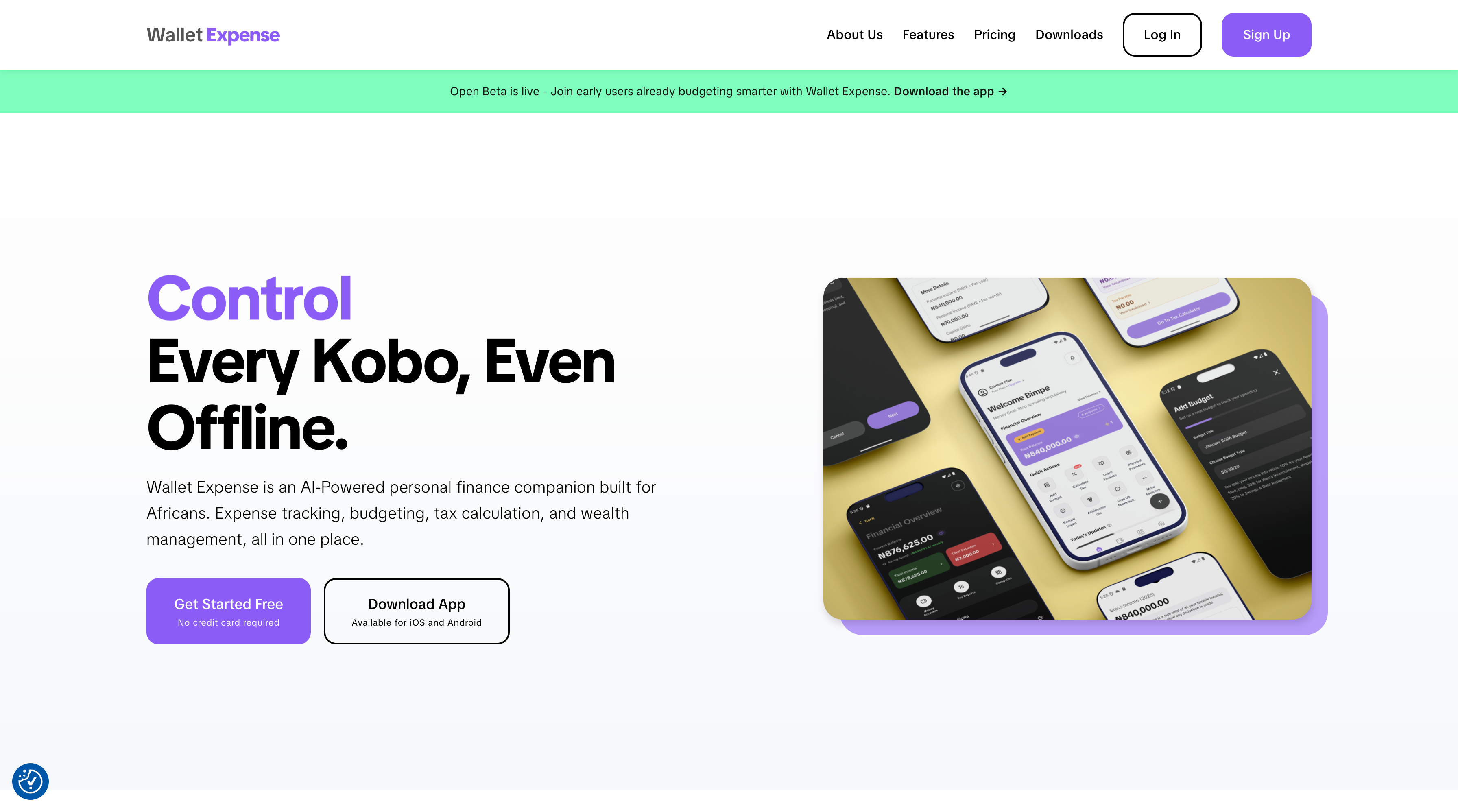
Managing personal finances often means piecing together information from bank statements, spreadsheets, payment notifications, and memory. I wanted to build a system that could turn that fragmented data into a single financial picture: what came in, where it went, what had already been committed, and whether spending was actually aligned with the user's plans. It needed to be designed as a personal financial companion rather than another expense tracker, combining transaction management, budgeting, shared finances, planned payments, reminders, and financial projections into one product.
Contribution
I designed and engineered the core product architecture, from the data model and backend workflows to the frontend experience and state-management layer. I built the transaction and budgeting systems around structured financial records, implemented reusable React interfaces with Redux Toolkit and RTK Query, and used Supabase/PostgreSQL for authentication, persistence, and backend functionality. Beyond the core tracking experience, I designed the architecture for automated expense categorization, round-up savings, wealth-growth projections, missing-transaction detection, shared budgets, planned payments, and reminder workflows. I also structured the product so capabilities such as direct bank synchronization and SMS-based transaction parsing could be added without having to redesign the underlying financial model.
Outcome
A functional fintech product that moves beyond recording transactions to helping users understand and act on their financial position. The architecture supports multiple financial workflows without treating each feature as an isolated system, giving transactions, budgets, planned payments, and financial insights a shared foundation. The project demonstrates my ability to take a product from concept through system architecture, database design, frontend engineering, state management, and implementation, while designing for capabilities that extend beyond the initial MVP.